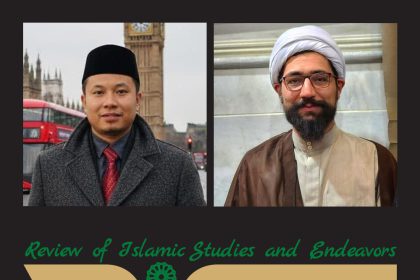
In this episode, we are joined by Dr. Muhammad Shahid Mathee, a senior lecturer in Islamic Studies at the University of Johannesburg, for a profound exploration of women’s rights within the framework of Islamic jurisprudence and social history. Dr. Mathee offers a critical alternative to the hegemonic Western discourse that often seeks to “liberate” Muslim women while ignoring their historical agency and the internal complexities of the Islamic tradition.
Drawing on his research into the social history of Timbuktu and the legal landscapes of Mamluk Cairo and North Africa, Dr. Mathee demonstrates that Islamic law is not a stagnant or abstract entity, but a living “discursive tradition” shaped by the lived realities of Muslims throughout history.
Key highlights of this discussion include:
- The Power of Fatwas: How legal opinions (fatawa) serve as a vital source for social history, capturing the voices and actions of ordinary women who navigated the legal system to assert their rights.
- Agency in Marriage and Divorce: Real-world examples from historical archives where women utilized legal mechanisms to negotiate marriage contracts, sexual rights, and financial independence.
- The Evolution of Jurisprudence: An analysis of how legal rulings—such as those in the Hanafi school—evolved over centuries in response to shifting social and ethical concerns.
- Future Perspectives: A call for the inclusion of women as legal scholars (mujtahidas) and jurists (faqihas) to ensure the continued growth and relevance of the intellectual tradition.
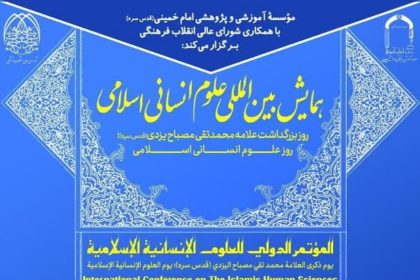
This episode was originally recorded as part of the Islamic Humanities Webinar Series, hosted by the Misbah International Institute in collaboration with the Imam Khomeini Education and Research Institute.
Whether you are a student of history, a legal scholar, or simply interested in the intersection of faith and society, this episode provides a rich, evidence-based look at how Muslim law-making has both shaped and been shaped by history.