


Tag: Fiqh

RISE Articles 2
Publication of Philosophy of Political Jurisprudence

Publication of Philosophy of Political Jurisprudence

The Islamic Sciences and Culture Academy has recently published a book entitled Falsafih-yi Fiqh-i Siyāsī (The Philosophy of Political Jurisprudence), authored in Persian by Hujjat al‑Islam Seyyed Sajjad Izdehi. This 416‑page volume represents a novel attempt to elucidate the foundations, scope, and capacities of political and governmental jurisprudence. Adopting a philosophical perspective, Izdehi approaches the […]
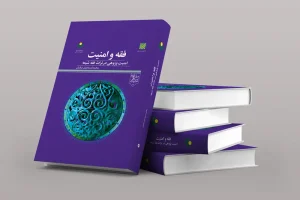
Publication of the Book "Jurisprudence and Security: Security Studies in the Shiʿa Jurisprudential Tradition"

Publication of the Book “Jurisprudence and Security: Security Studies in the Shiʿa Jurisprudential Tradition”

The book Fiqh wa Amniyyat: Amniyyat-pazhūhī dar Turāth-i Fiqh-i Shīʿa (Jurisprudence and Security: Security Studies in the Shiʿa Jurisprudential Tradition), authored in Persian by Mohammad Esmaeil Nabatian, has been published by the Islamic Sciences and Culture Academy Press in 515 pages. The work seeks to extract and analyze jurisprudential propositions related to security through a […]

Scholaria Contributions 2

Jurisprudence Without Progress Is Not Jurisprudence

This article explores the profound and inseparable relationship between Islamic jurisprudence (fiqh) and societal development. The author argues that the traditional authoritative sources of Islamic law—the Qur’an, Sunnah, reason, and consensus—possess the complete epistemic capacity required to formulate a comprehensive “Progress Model.” By integrating the higher objectives of Islamic law (maqāṣid al-sharī‘a) with societal administration, the text demonstrates that authentic progress must be rooted in jurisprudential foundations, and conversely, dynamic jurisprudence is inherently progressive.

The Requisites of Research in the Field of the Jurisprudence of Art

This text outlines the foundational and methodological prerequisites for researching the jurisprudence of art. It defines the jurist’s true mission as discovering the Sharia, addresses the extremes of “subject identification” (mawḍūʿ-shenāsī), and distinguishes it from “instance identification.” Ultimately, it explores the societal realization of Islamic art jurisprudence through the philosophical principle of the agency of the agent and the receptivity of the recipient.