

Tag: Religious Science

RISE Articles 3
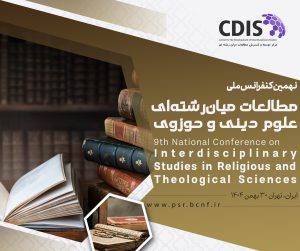
9th National Conference on Interdisciplinary Studies in Religious and Theological Sciences (Tehran)

9th National Conference on Interdisciplinary Studies in Religious and Theological Sciences (Tehran)

The 9th National Conference on Interdisciplinary Studies in Religious and Theological Sciences will be held in Tehran on February 19, 2026, organized by the Permanent Secretariat for the Development and Promotion of Interdisciplinary Studies. Deadlines: Full paper submission: January 25, 2026 Registration deadline: February 4, 2026 Main thematic areas: Political Sciences: Foreign policy analysis, nuclear […]
5th International Conference on New Achievements in Religious Sciences and Human Studies in Iran and the World (Tehran)

5th International Conference on New Achievements in Religious Sciences and Human Studies in Iran and the World (Tehran)

The 5th International Conference on New Achievements in Religious Sciences and Human Studies in Iran and the World will be held in Tehran on March 1, 2026. The event is organized by the International Center for Conferences and Seminars on Sustainable Development of Islamic World Sciences. This prestigious academic gathering provides a platform for scholars, […]

The Architecture of Religious Science

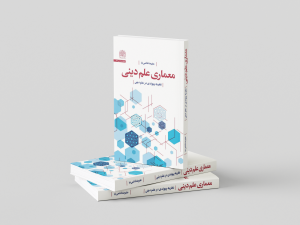
Publication of the “The Architecture of Religious Science”

The book Miʿmārī-yi ʿIlm-i Dīnī (The Architecture of Religious Science), written in Persian by Hujjat al-Islam Dr. Alireza Qaemi-Nia, has been published by the Research Institute for Islamic Culture and Thought. The volume comprises 586 pages. This work examines the role of religion in the formation of science and its epistemological features. Based on the […]

Scholaria Contributions 2

From Deepening Philosophical Foundations to the Philosophies of Disciplines: A Roadmap for the Transformation of Islamic Humanities

This essay proposes a three-layered framework—comprising the philosophy of disciplines, the humanities, and jurisprudence—to systematically develop Islamic humanities. It emphasizes an active, productive encounter with Western thought, the necessity of contemporary Quranic exegesis, and a structured methodology for integrating sacred religious principles into modern academic disciplines.