Tag: Islamic civilization

RISE Articles 4
Exploring Imam Musa Sadr’s Civilizational Theory

Imam Musa Sadr’s Civilizational Theory: Exploring a Human-Centric Model in Contemporary Thought

The book Imam Musa Sadr’s Civilizational Theory, authored in Persian by Sharif Lakzaei, has been published by the Islamic Sciences and Culture Academy. Comprising six chapters, this work systematically examines Imam Musa Sadr’s perspectives on civilization, striving to present a coherent theoretical framework derived from his thought. According to the book’s introduction, Imam Musa Sadr’s […]

A Study of the Foundations of Islamic Human Sciences

A Study of the Nature, Rationale, and Methodology of Islamic Human Sciences

Featured Publication RISE: Second Pilot Issue 📄 View PDF Issue 🔗 Issue Overview Page By Ayatullah Ali-Akbar Rashad Introduction This essay examines the meaning, necessity, and methodological foundations of Islamic human sciences as articulated in the thought of Āyatullāh Dr. ʿAlī-Akbar Rashād. It argues that the human sciences are not merely descriptive disciplines but also […]

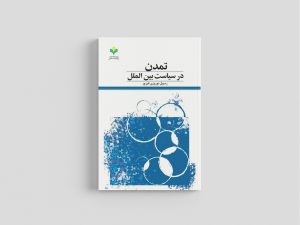
civilization in international politics

Civilization in International Politics and Order in the Islamic World

The book Civilization in International Politics (With Emphasis on the Question of Order in the Islamic World), authored by Rasoul Norouzi‑Firouz, was published in September 2025 by the Islamic Sciences and Culture Academy. This Persian work represents nearly a decade of strategic research in civilizational studies and international relations, constituting the theoretical component of a […]

Scholaria Contributions 2

The Reviver of Women’s Identity (Part 3): Women’s Enduring Impact on Islamic Civilization

This final installment explores the profound and enduring impact of women on the political, economic, cultural, and academic landscapes of early Islamic civilization. It highlights their active participation in pivotal socio-political events, such as the pledge of allegiance at Ghadir, and their equal standing in the Islamic economic revolution. Furthermore, the article showcases the vital contributions of female scholars, poets, and Hadith narrators (Muhaddithat), demonstrating that the subsequent marginalization of women’s rights stemmed from later political deviations, rather than the pure Prophetic tradition.