
On the occasion of National Cinema Day, Imam Hossein Comprehensive University (IHU) Press showcased a curated selection of recent monographs exploring the intersection of cinematic studies, cultural policy, and religious thought. The collection reflects growing academic interest in Iran regarding Islamic film theory from Islamic philosophical and critical perspectives:

1. Policy-Making in Cinema and Theater during the Pahlavi Era
This volume offers an archival and critical assessment of institutional cultural policies in pre-revolutionary Iran, examining how state apparatuses shaped performing arts, national identity narratives, and public censorship.
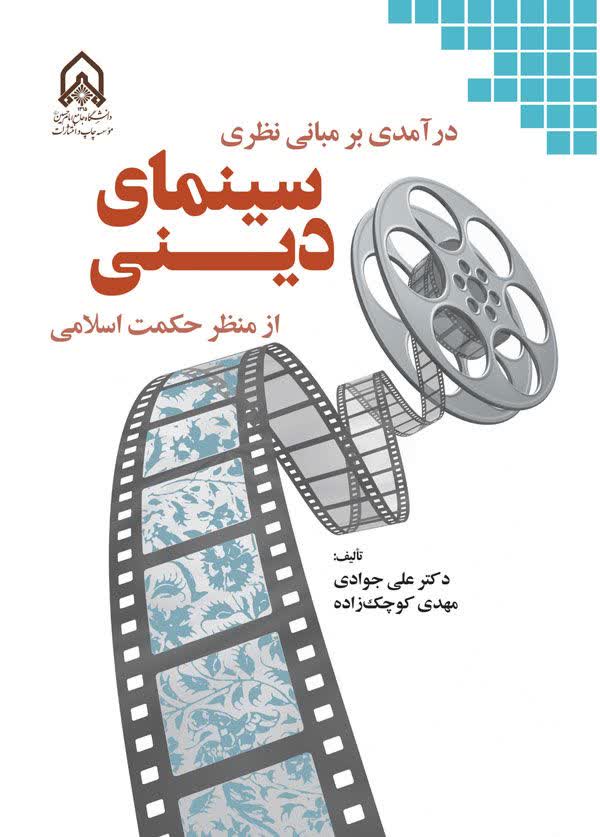
2. Theoretical Foundations of Religious Cinema: Perspectives from Islamic Wisdom (Ḥikmah)
Rooted in Islamic philosophical traditions—particularly the transcendent philosophy (al- Ḥikmah al-Muta‘ālīyah)—this work articulates a conceptual and ontological framework for sacred and religious cinema, engaging contemporary film studies with Islamic film theory, metaphysics and aesthetics.

3. An Analysis of Kabbalistic and Esoteric Influences in Contemporary Cinema
Approaching cinema from the vantage point of critical media studies and comparative religion, this study investigates the deployment of occult, esoteric, and Kabbalistic iconography and narratives across global and mainstream film productions.
These publications contribute to contemporary Iranian scholarly debates on cultural history, faith-based aesthetic theory, and media critique. For international scholars specializing in contemporary Shi‘i thought and Iranian media studies, the titles illustrate ongoing institutional efforts to advance Islamic film theory through indigenous and philosophical frameworks.